The principle
Safety is held from four sides.
SaltPassage is a private circle of adventure-loving individuals who appreciate the rewards of time at sea. It is not a guided tour or a guaranteed product. Every voyage depends on seamanship: the skipper's judgement, the readiness of the boat, the attitude of the crew, and the weather on the day.
The boat is ready.
Maintained, seaworthy, and equipped for the waters it sails.
Crew participate.
Crew are not passengers. Everyone listens, helps, asks, and looks after one another.
Weather decides.
Routes change. Departures wait. Safety comes before itinerary.
The skipper leads.
Final authority for the vessel, route, and safety aboard.
Before departure
Good passages begin before the lines are slipped.
Skippers
Every voyage is led by an experienced, verified skipper. Verification happens privately within the circle and may include qualifications, sea time, documented miles, and a personal conversation. Once aboard, the skipper holds final authority for decisions affecting the voyage.
Boats
Every boat in the circle is expected to be seaworthy, properly maintained, and appropriately equipped for the waters it sails. What is carried aboard is stated on the passage page, including safety and communications equipment relevant to that voyage.
Planning
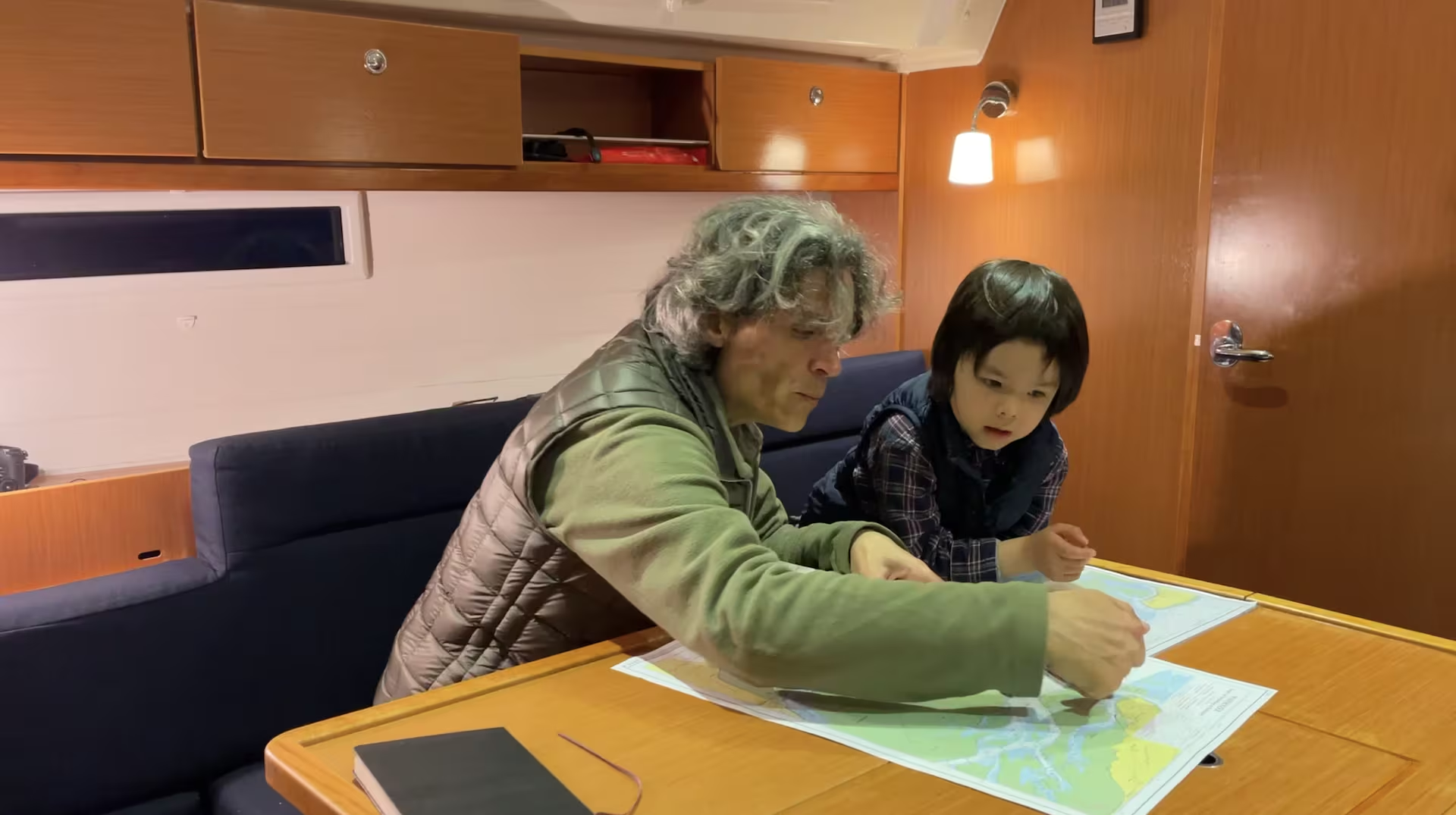
Routes, tides, harbours, shelter options, weather windows, crew experience, and alternatives matter. A changed route is not a failed plan. It is often the plan working.
Equipment
Depending on the vessel and voyage, equipment may include lifejackets, harnesses, VHF, first-aid equipment, fire protection, bilge pumps, flares, liferafts, EPIRB or PLB, and other gear required or considered prudent by the skipper.
Aboard
Shared sailing is not passive.
Briefing
New crew receive a safety briefing before departure. This may cover lifejackets, safe movement on deck, man-overboard procedure, fire and flooding response, emergency communications, VHF channels, and more.
First-timers
If you are new to sailing, say so. You will be taught. If you are experienced, you lead by example. Sea sickness medication can be worth considering before a first voyage; previous car sickness does not necessarily mean you will be seasick.
Crew responsibility
Everyone aboard contributes to the safety and success of the voyage by listening, asking questions, helping when needed, respecting decisions made for the safety of the boat, and looking after one another.
Weather and insurance
The sea remains the final authority.
Weather
Routes shift, departures may be delayed, and offshore passages may become sheltered coastal days. Sometimes the right decision is not to leave at all. That is not failure. That is seamanship.
Insurance
Boats are insured by their owners or charter providers. Additional cover, such as deposit or liability insurance, is often arranged by the skipper where appropriate and stated on the passage page. Crew members remain responsible for their own travel, medical, and personal insurance.
The skipper leads.
The crew contribute.
The weather has the final say.